Licious Kitchenware Concept
Licious Kitchenware is a self-initiated concept for a meat-first range of kitchen tools sold by Licious, the Indian online meat brand. I researched the gap, shaped the product range and its mockups, built a Webflow prototype of the store and wrote the business case.
View the Webflow prototype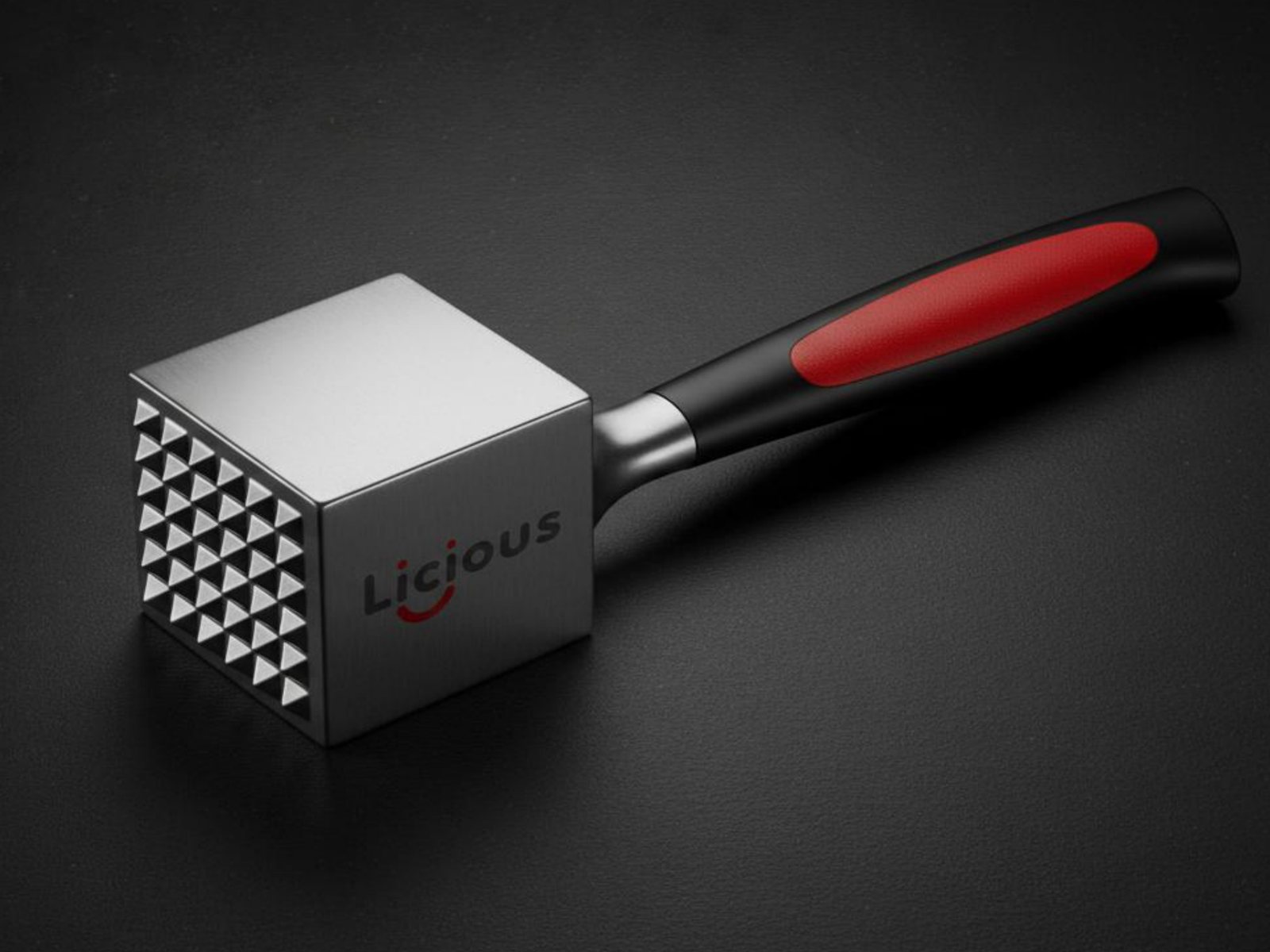
- Type
- Self-initiated product concept
- Role
- Research, product concept, Webflow prototype, business case
- Tools
- Webflow
What gap does the concept address?
Licious customers buy premium meat, then prepare it with generic kitchen tools. Meat needs clean, precise cuts, hygienic prep surfaces and tools made for specific proteins.
Premium kitchenware is expensive and lifestyle-led rather than meat-focused. Mass-market tools are affordable but generic. No direct-to-consumer brand owns meat-first kitchen tools.
Why would Licious be the right brand for it?
- The quality discipline Licious already runs, across sourcing, processing, cold chain and packaging, carries over to materials and manufacturing standards.
- Customers already trust Licious with food safety, and tools would inherit that trust.
- Licious knows which cuts people buy and how often they cook, which can shape tool design, bundles and cross-sell moments.
What is in the range?
- Knives for specific jobs: boning, filleting, carving and general prep.
- Cutting boards: non-porous, with juice grooves, sized for different proteins.
- Prep tools: tenderisers, shears and tools for marinating and portioning.
- Servingware: boards, platters and aprons, from cooking to serving.
How is the store designed?
- Product pages lead with function, such as "Built for ribeye carving", instead of generic kitchen-tool language.
- Images show the tools in use, with the meat as co-star, rather than lifestyle shots.
- Each product page carries material specs, care instructions and recommended meat pairings.
- Bundles are suggested from what is already in the cart.
- The structure leaves room for new products, seasonal drops and collaborations with chefs or butchers.
How would it launch?
Start small: a pilot of three to five hero products with existing high-value customers. Then build tool-and-meat bundles from purchase patterns, for example a chicken essentials set of breast cuts, a boning knife and a prep board. Then test product-page messaging, imagery and cross-sell placement against real behaviour before committing to full inventory.
This is an independent concept by Uday Kiran Reddy. It is not affiliated with, sponsored or endorsed by Licious. Product images are AI-assisted mockups.